House Votes to Bury H.Res. 1100 Transparency Proposal on Congressional Sexual Misconduct Records
Summary: The U.S. House of Representatives voted 357 to 65 to refer H.Res. 1100 back to the House Ethics Committee, a procedural move that effectively halted a proposal requiring the public release of congressional sexual misconduct and sexual harassment investigation records with redactions for victims and witnesses. The vote is fueling renewed debate about transparency, accountability, and whether Congress should be allowed to police itself behind closed doors.
How the House Voted on H.Res. 1100
On March 4, 2026, the House voted 357 to 65 to refer H.Res. 1100 to the House Ethics Committee. In practical terms, referral is often used to sideline legislation without advancing it to passage, and the result here was that the measure was effectively buried.
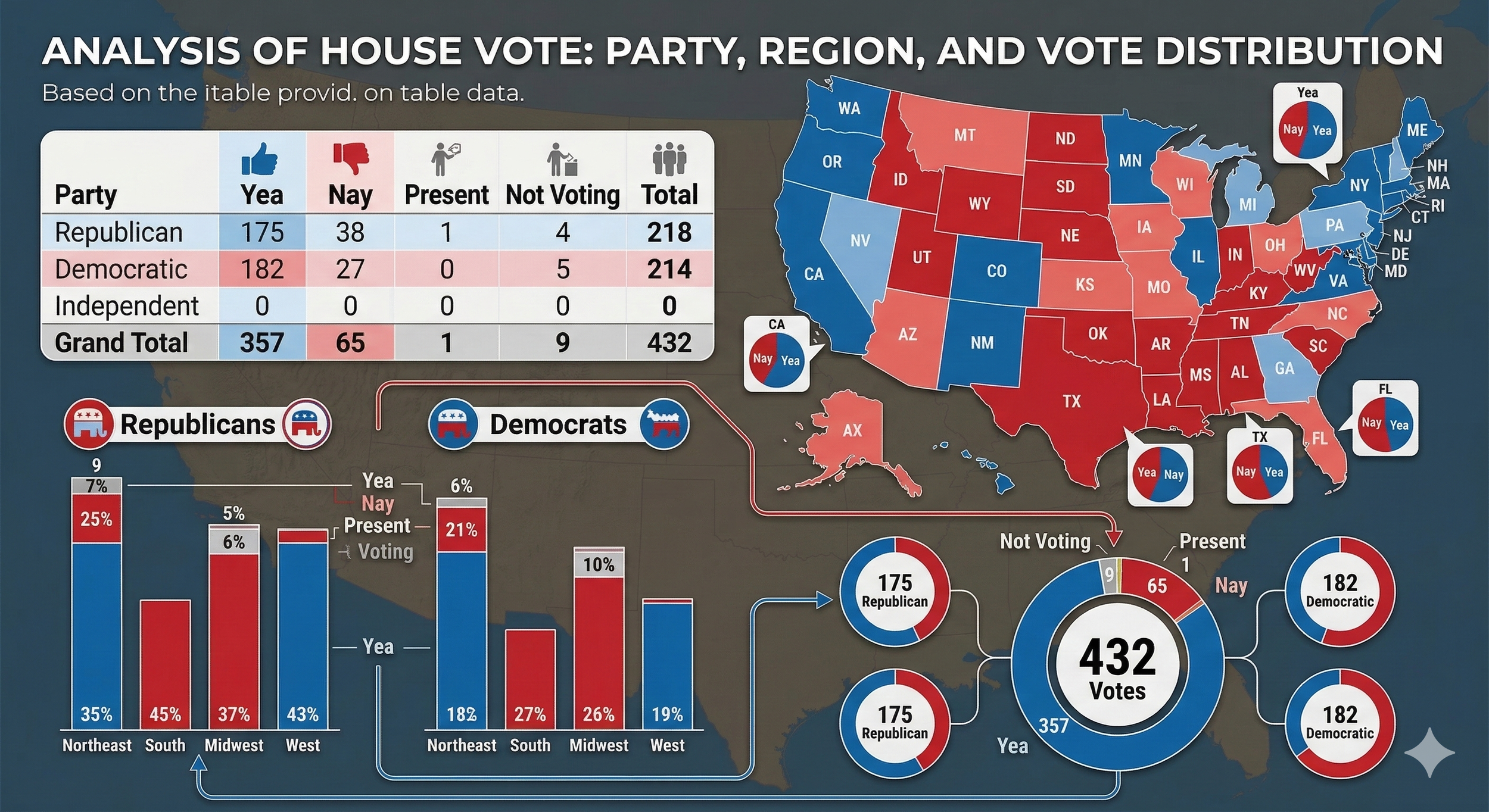
Supporters of disclosure argue that referral preserved the status quo: investigative records about misconduct by Members of Congress typically remain out of public view unless the House decides otherwise.
What H.Res. 1100 Would Have Required
H.Res. 1100, introduced by Rep. Nancy Mace, directed the House Ethics Committee to preserve and publish certain investigative records involving violations of House Rule XXIII related to sexual harassment and prohibited sexual conduct.
The key feature of the resolution was that it required publication with protections. It explicitly required redactions of personally identifying information for victims, alleged victims, and witnesses before any records were released.
The resolution required the release of final reports, or the most recent draft report if no final report existed, along with related exhibits and accompanying materials. Supporters described the approach as a balance between transparency for the public and privacy protections for individuals who reported misconduct or cooperated with investigations.
Rule XXIII Clause 9: Sexual Harassment
Clause 9 addresses acts of sexual harassment. H.Res. 1100 targeted records related to this category of misconduct as part of the disclosure requirement.
Rule XXIII Clause 18: Sexual Relationships With Staff and Unwelcome Sexual Conduct
Clause 18 prohibits a Member of Congress from engaging in a sexual relationship with an employee under the Member’s supervision. It also prohibits unwelcome sexual advances and other prohibited sexual conduct involving House personnel.
By explicitly referencing Clause 18, the resolution was not limited to generic workplace misconduct. It directly addressed power dynamics in congressional offices and the treatment of staff.
Why H.Res. 1100 Was Introduced Now
The push for H.Res. 1100 came amid heightened public attention to allegations and reporting involving lawmakers and staff relationships, including coverage related to Rep. Tony Gonzales of Texas. The timing reflects a familiar pattern in Congress: moments of scandal or high profile allegations often trigger sudden bursts of reform proposals, followed by institutional resistance.
For supporters of H.Res. 1100, the core issue was not a single case. It was a longstanding complaint about congressional ethics enforcement. Congress has a process for investigating itself through the House Ethics Committee, but the public often receives limited visibility into investigative records, evidence, or outcomes, especially when cases end without a high profile final report.
Why House Leadership Opposed Releasing the Records
Opponents of the resolution argued that mandatory disclosure could harm victims and witnesses. The stated concerns included retraumatization, fear of retaliation, and reduced cooperation from witnesses or complainants if they believed investigative materials might later become public.
These concerns matter. Misconduct investigations frequently involve sensitive testimony, professional risk for staff, and significant emotional harm for victims.
At the same time, critics of the referral vote emphasize that H.Res. 1100 already required redactions of personally identifying information for victims, alleged victims, and witnesses. In other words, the proposal did not require releasing names or personal details of the people most at risk. The debate therefore turned on whether Congress could have increased transparency about Member misconduct while still protecting those who came forward.
Why the Vote Raises Transparency and Accountability Concerns
Even in a neutral frame, two things can be true at the same time.
First, privacy and safety protections are essential for victims and witnesses in sexual harassment and sexual misconduct cases.
Second, Congress is a taxpayer funded institution with extraordinary authority, and public trust depends on accountability. When Congress blocks a transparency proposal that already includes redactions, it increases skepticism that the institution is protecting itself rather than the people it serves.
If lawmakers believed H.Res. 1100 needed stronger safeguards, they could have amended it or advanced an alternative transparency framework with stricter privacy rules and clearer boundaries around what would be released. Instead, the House used a procedural vote to refer the measure back to committee, which typically prevents a proposal from moving forward and keeps existing secrecy intact.
For many observers, that is the central problem: Congress chose the outcome that preserved maximum institutional protection and minimum public scrutiny.
Full List of Lawmakers Who Voted to Bury H.Res. 1100
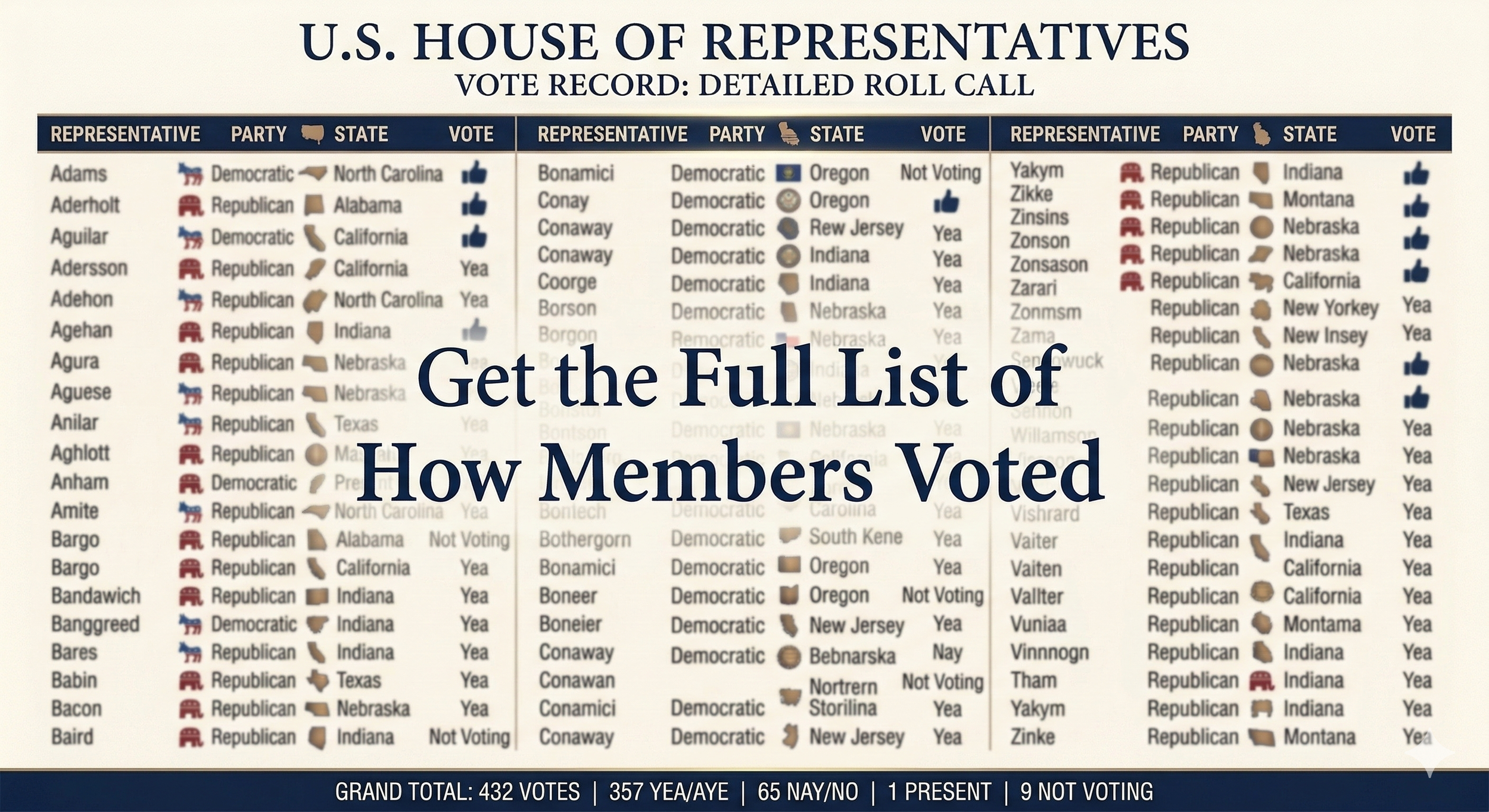
Below is the full list of Congressmen and women who voted to refer H.Res. 1100 back to the House Ethics Committee, effectively burying the resolution and keeping misconduct investigation records out of public view.
This vote protected the institution and, by extension, protected Members from additional public scrutiny about how sexual misconduct and sexual harassment allegations are handled inside Congress.
Full vote list below.
If you want the complete roll call and a clean breakdown by party and state, click on the image below. We’ve published the full list of lawmakers who voted to bury this bill and hide themselves and their fellow colleagues from the public’s scrutiny.
If you want to win government contracts and grow your business, set up a time to chat with our team and see how we can help you win more